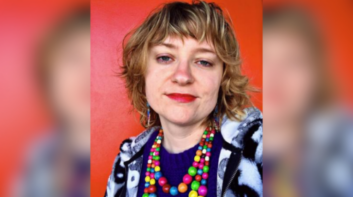


Almost 20 years ago, Joni Stevens and her mother both tragically lost their husbands. Deciding to live together for mutual support and comfort was an enriching experience for both women. But as her mother continues to age, Stevens is grappling with the reality of elder care in the United States and the challenges that she faces attempting to help her mother age with dignity at home.
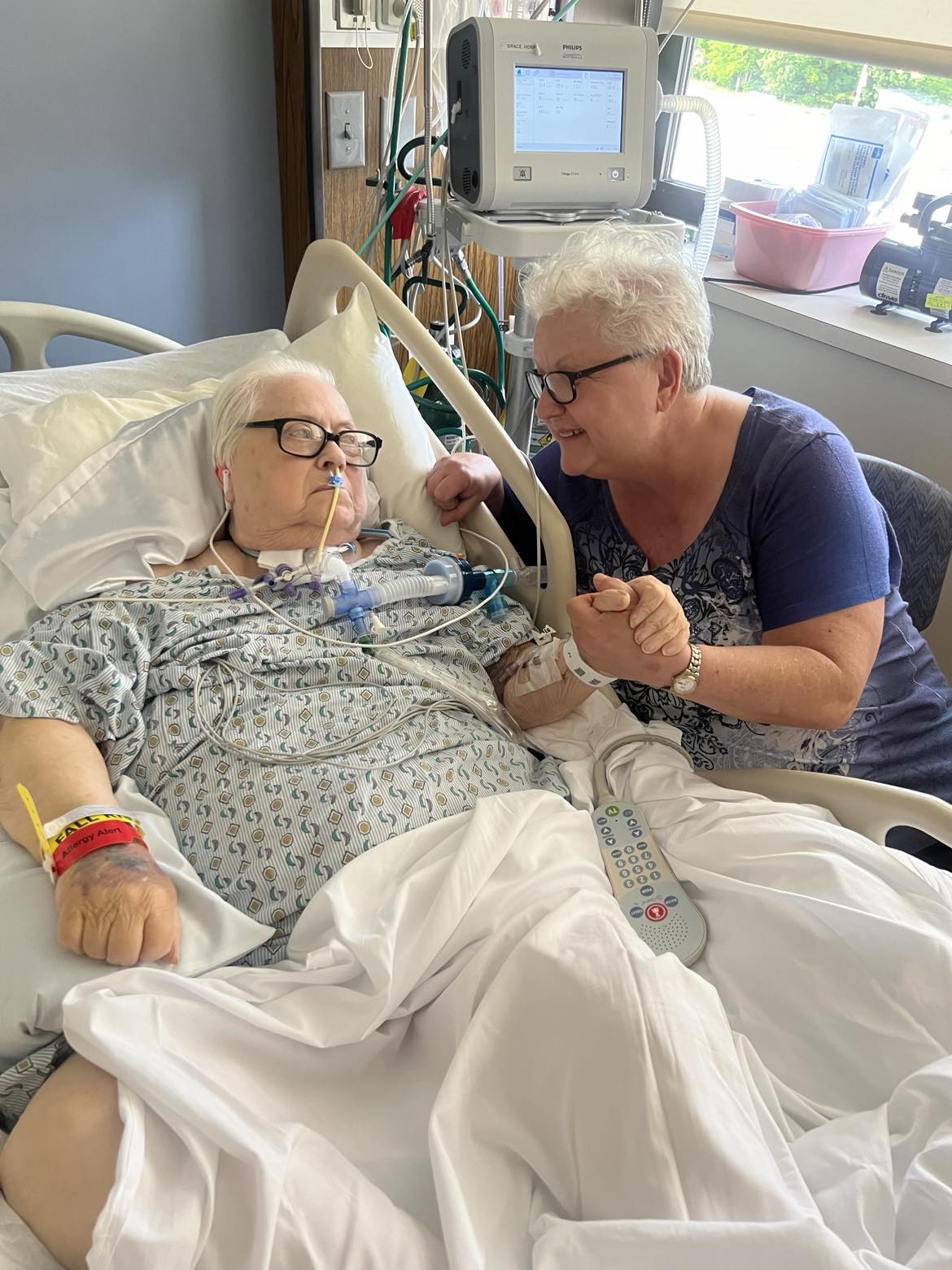
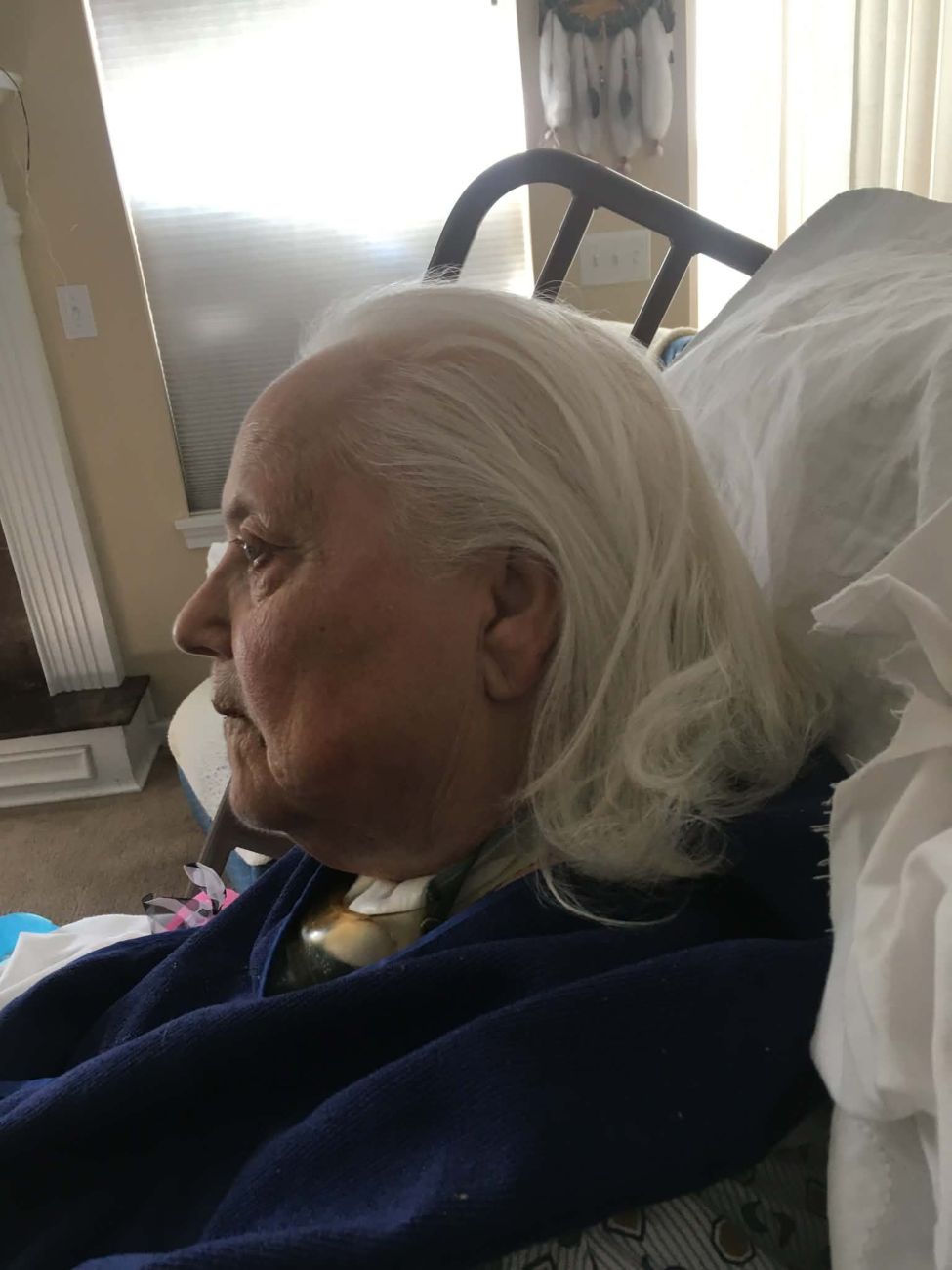
“My mom was a non-compliant diabetic and was recently diagnosed with congenital heart failure,” Stevens told IW Features. “Back in 2018, she was losing her ability to do things around the house, like clean up after herself or do laundry.”
Stevens’ niece, who was living with Stevens’ mother at the time, first told Stevens that her mother was acting out of character, like leaving laundry on the bed until it mildewed.
“I recognized the signs,” Stevens said. “My mother and I both stop trying when we get overwhelmed.”
Back in 2007, when their husbands died, Stevens said that she and her mother made a pact to eventually live together when the need arose. So in 2018, Stevens left her 30-year career as a dance teacher and moved across the country to become her mother’s in-home caregiver.
The first challenge she faced, Stevens said, was fighting for her mother’s wish to age in place.
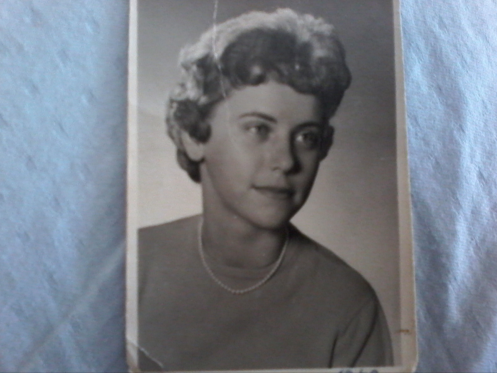
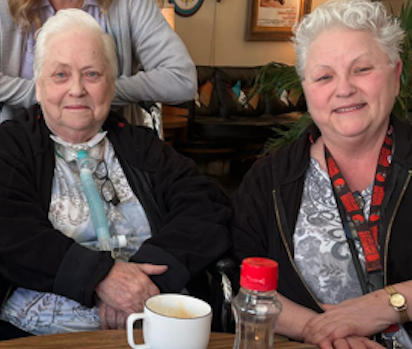
“When I arrived, family members told me that they already had plans for mom that didn’t involve me,” Stevens remembered. “I told my mom this, and she said, ‘Why would they care if you’re moving here to take care of me?’ I said, ‘I have no idea.’ We found out later that, five years prior, they had transferred the title of my mother’s house into their name.”
These family members, according to Stevens, planned to sell her mother’s house and transfer her to a nursing home against her wishes.
After this discovery, Stevens’ mother gave her power of attorney, but their challenges didn’t end there. As her mother’s needs became more complex and hospital visits became more frequent, Stevens realized the necessity of personal care and advocacy for elders within the healthcare system.
“My first introduction to real nursing was in 2021, right in the middle of COVID, when my mother had a horrible series of bowel surgeries and almost didn’t make it,” Stevens said. “I had to do the wound care myself, and it took almost two years to heal.”
Stevens continued: “As soon as she was healed we got in the car, we went on adventures, we did whatever we wanted until 2024, when she got a UTI that sent her to the emergency room. Sixteen hours later, she had a stroke.”
At this point, Stevens said, her mother was bedridden and had to spend 52 days in a nursing home for supervised medical care. Every single day, Stevens drove 45 minutes one way to the nursing home to continue to care and advocate for her mother.
“My grandmother got sick at 95 and that was a long, drawn-out process. My mother took care of her, and then her husband got sick with memory issues, and she took care of him,” Stevens said. “She didn’t like the way that they ended up dying in the hospital. That really bothered her.”
Stevens said that her mother told her, “I don’t want to go like that. I want to go at home.”
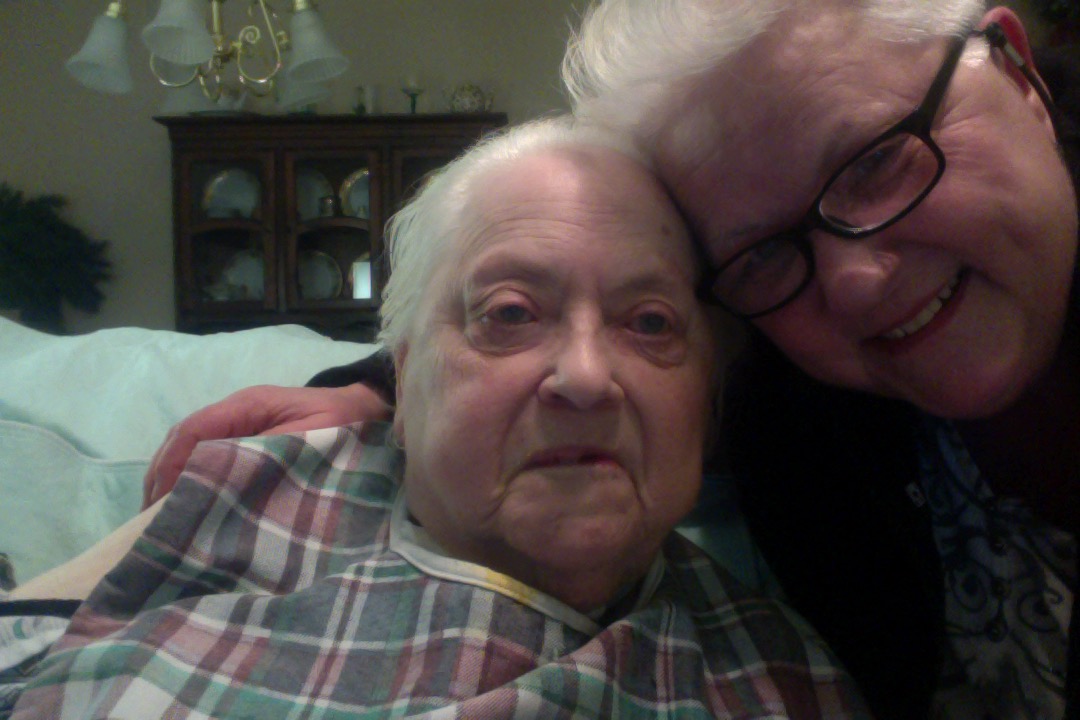
During her mother’s stay in the nursing home, Stevens said she was appalled by the lack of care the facility’s staff had for her mother’s well-being. A friend of hers who works in the nursing home business even encouraged her to learn how to provide care for her mother at home.
“My friend said, ‘It’s not brain surgery, anything that those aides are doing, anything the respiratory therapist is doing, anything the nurse is doing—you can learn to do it at home and take care of your mom at home. You can do it.’ So that’s what I did. I insisted that they teach me,” Stevens said.
Her mother’s care needs have become so intense that Stevens spends almost 24 hours a day at home, besides necessary trips to the drugstore two minutes away.
“I always had fun with mom, and I didn’t look at it as though it would be a sacrifice,” Stevens said. “She told me, ‘I’m so glad you’re here because I have someone to talk to. I have someone who cares about me.’”
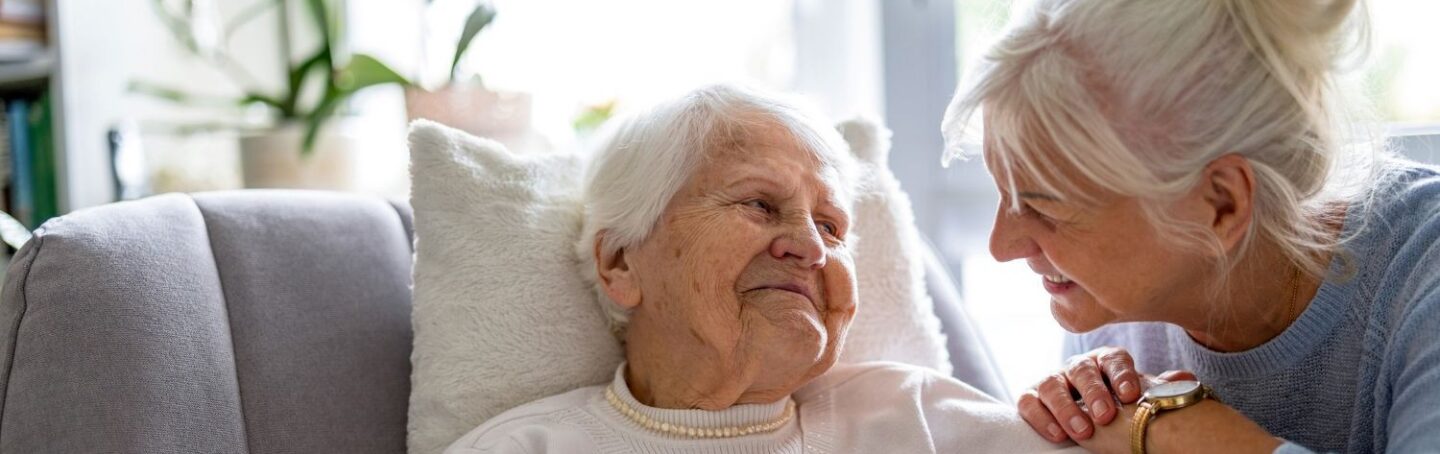
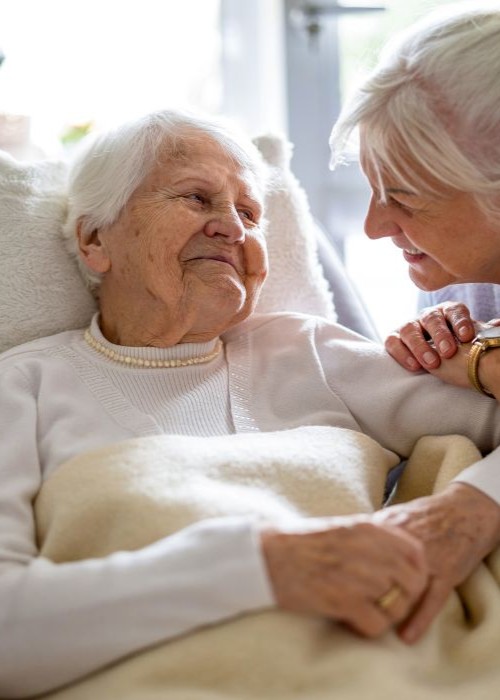
Now that Stevens’ mother is bedridden and can no longer speak, Stevens said that the level of care she can provide at home is superior to anything her mother would be receiving in a nursing home—especially without the ability to advocate for herself.
“When my mother gets clogged up with mucus and can’t breathe, I’m right there,” Stevens said. “I feed her a variety of foods all week and vegetables at every meal.”
Even more than caring for her mother’s physical needs, Stevens said, is the importance she places on providing emotional comfort for her mother at the end of her life.
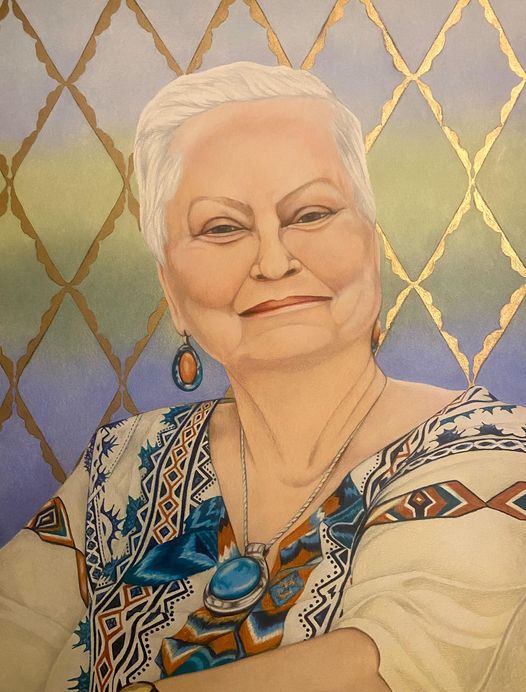
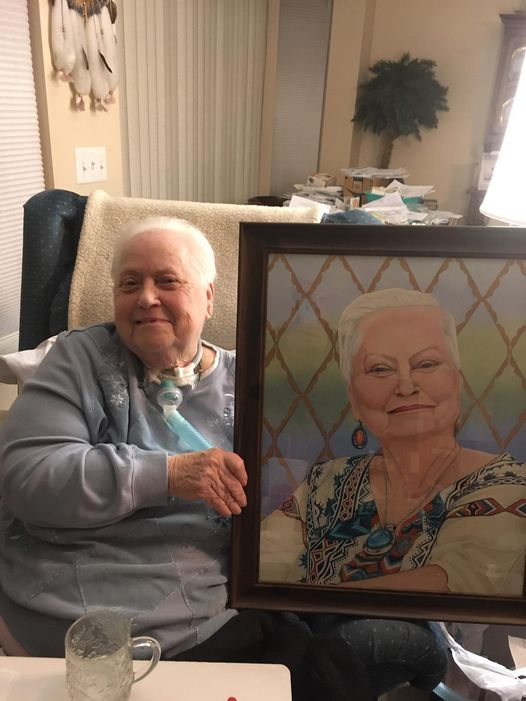
“My mother has dreams where she’s walking around, but then wakes up and realizes she can’t move the whole right side of her body. She gets so full of anxiety and sadness,” Stevens said. “But she squeezes my hand, and I tell her, ‘You’re okay, Mama, I’m here with you.’ I can’t imagine my mother waking up by herself in the nursing home and not having that reassurance.”
While Stevens is thankful she was able to be there for her mother throughout her final years, she recognizes that not every family has the option to dedicate themselves to caregiving. That’s why it’s so important that families have additional options when it comes to supporting their elderly loved ones.
Stevens said she now tells everyone to make a caregiving plan, because aging “is going to happen to all of us.”
“I will never be resentful that I’m doing this job because I wanted to do this job,” she said. “God put me on this earth to do this at this time.”